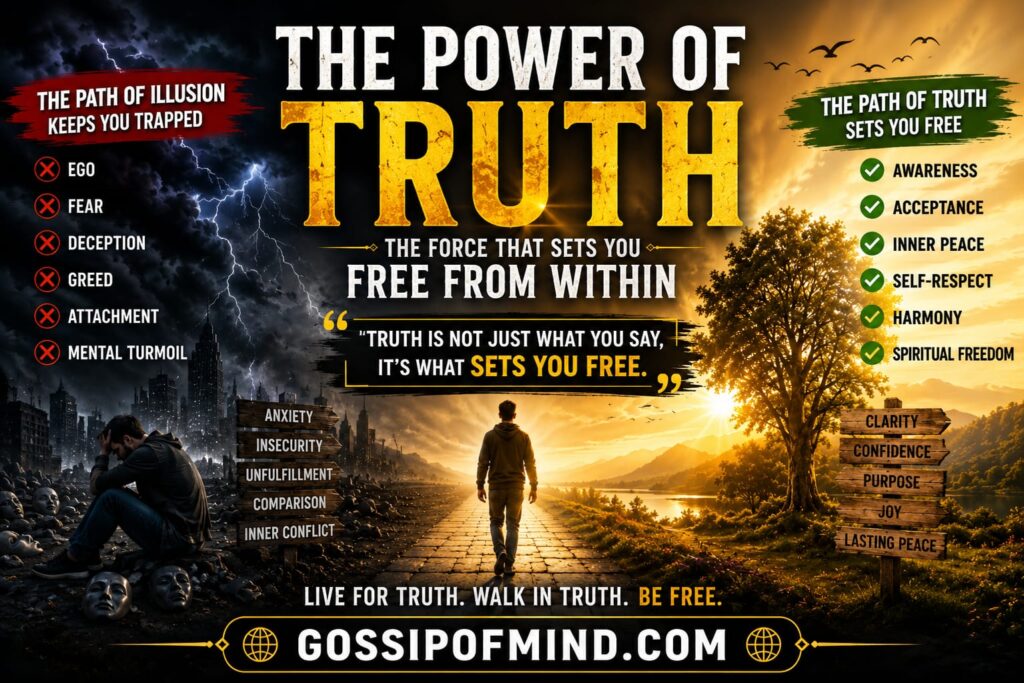
Have You Ever Wondered How Often We Lie to Ourselves?
From the moment we wake up and look into the mirror to the carefully curated images we share on social media, many of us spend our lives protecting an identity that isn’t entirely real.
Ironically, maintaining this false image is often more exhausting than working hard. The farther we drift from our authentic selves, the more stress, anxiety, and dissatisfaction begin to dominate our lives.
So, what is the way out?
The answer begins with truth.

What Does Truth Really Mean?
Truth is not merely about speaking honestly. It is the willingness to see reality exactly as it is, without adding illusions, expectations, or personal bias.
Although this sounds simple, accepting reality is one of the greatest challenges in human life. Most people try to reshape life according to their desires instead of understanding it. When reality refuses to follow our expectations, frustration, anger, and suffering naturally arise.
This is where the true power of truth begins.
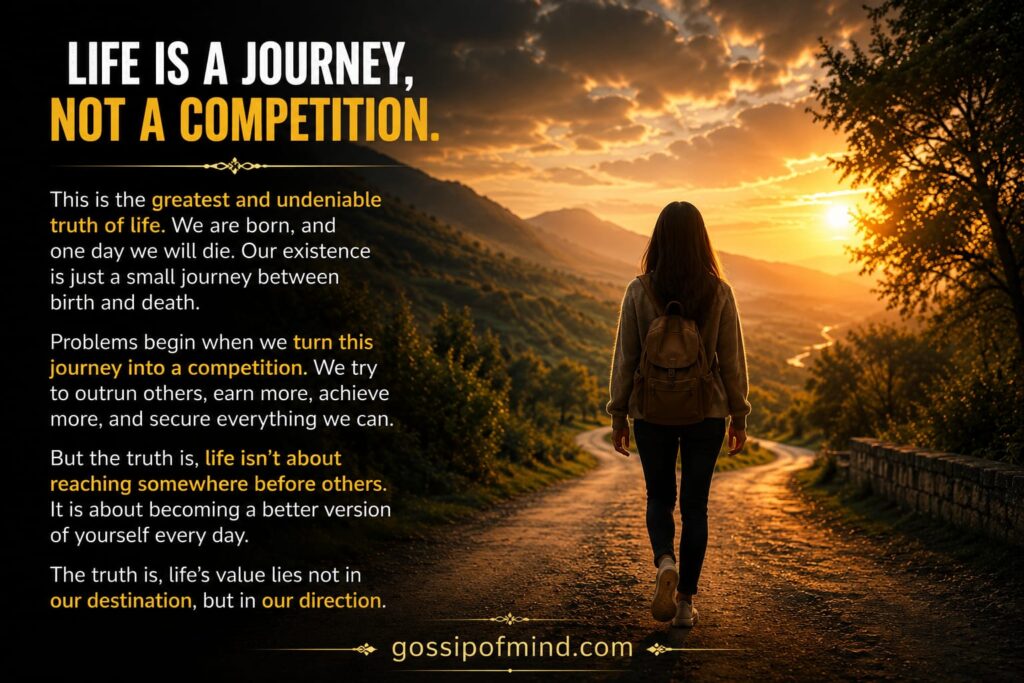
Life Is a Journey, Not a Competition
One undeniable fact of life is that every person who is born will one day die. Our existence is a brief journey between these two moments.
The problem begins when we transform this journey into a race. We constantly compare ourselves with others, chase more wealth, seek greater recognition, and attempt to control everything around us.
Yet the deeper truth is that much of life will always remain beyond our control.
Understanding this changes the way we live.
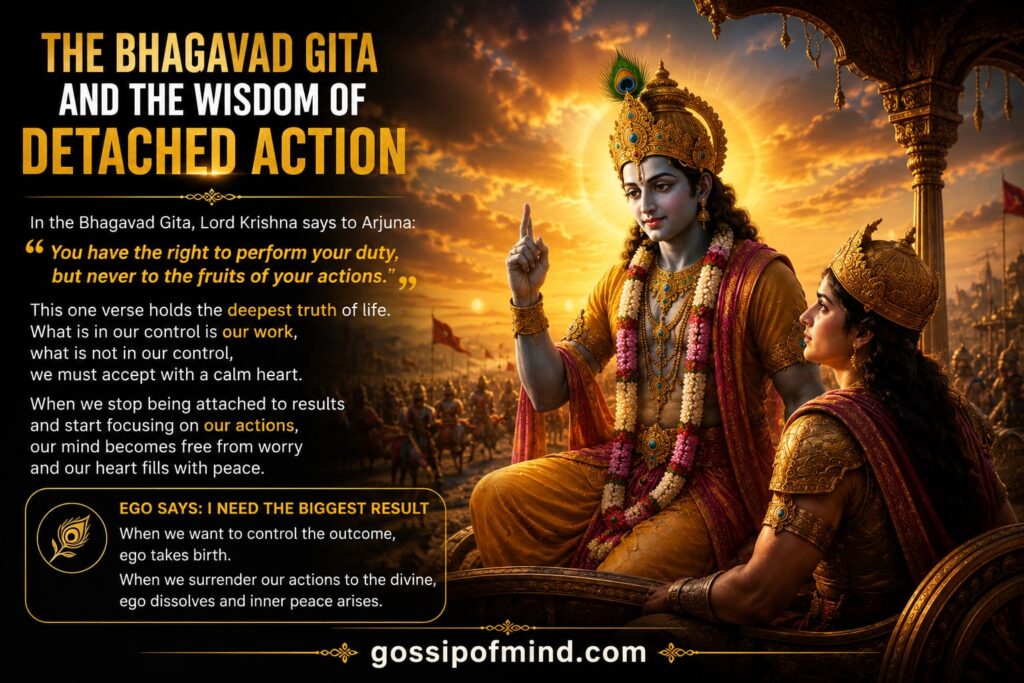
The Bhagavad Gita and the Wisdom of Detached Action
The Bhagavad Gita teaches one of the most profound principles of human life:
“You have the right to perform your duty, but never to the fruits of your actions.”
This teaching reminds us that our responsibility lies in our actions, not in controlling every outcome.
When we focus on sincere effort instead of obsessing over results, our minds become calmer and more resilient.
Ego: The Greatest Obstacle to Truth
Success often creates the illusion that everything has been achieved through personal effort alone.
But is that the complete truth?
Our character is shaped by countless influences—our parents, teachers, friends, experiences, society, books, opportunities, and even unexpected circumstances.
The ego ignores these contributions and creates a false sense of individual greatness. Truth dissolves this illusion and replaces pride with humility.
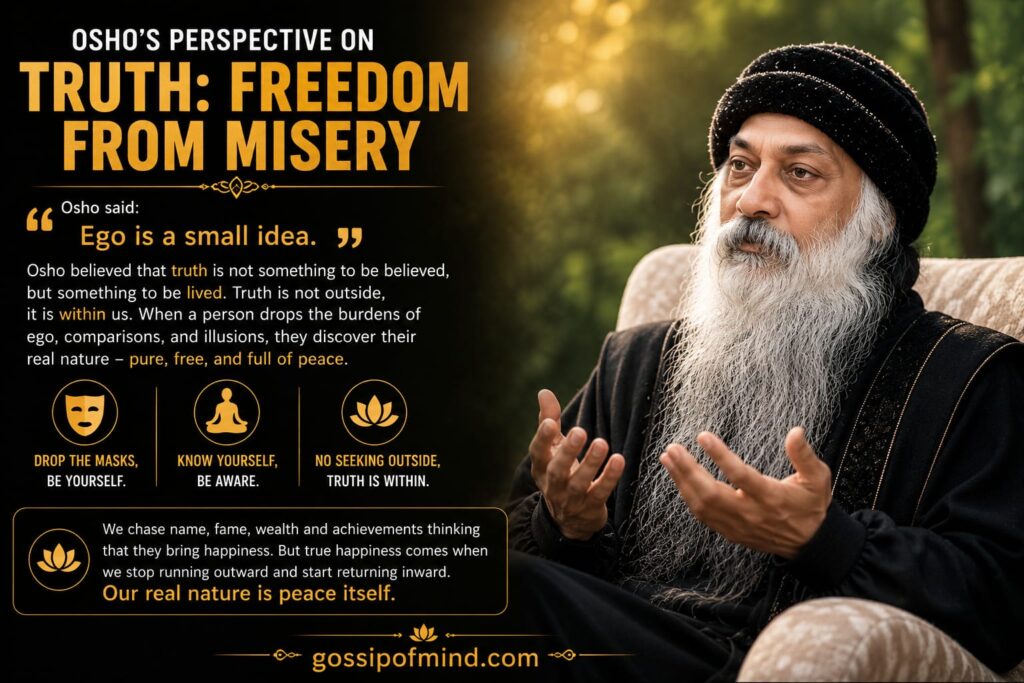
Osho’s Perspective: Freedom Beyond False Identity
Osho described ego as a false identity rather than our true self.
According to him, truth is not a belief to be accepted but an experience to be lived. It cannot be borrowed from books or inherited through tradition. Every individual must discover it within.
People often identify themselves through their profession, wealth, achievements, or social status. However, when these external labels disappear, the deeper question remains:
Who are we without them?
The power of truth allows us to move beyond these temporary identities and reconnect with our authentic nature. In that freedom, comparison disappears and inner peace naturally arises.
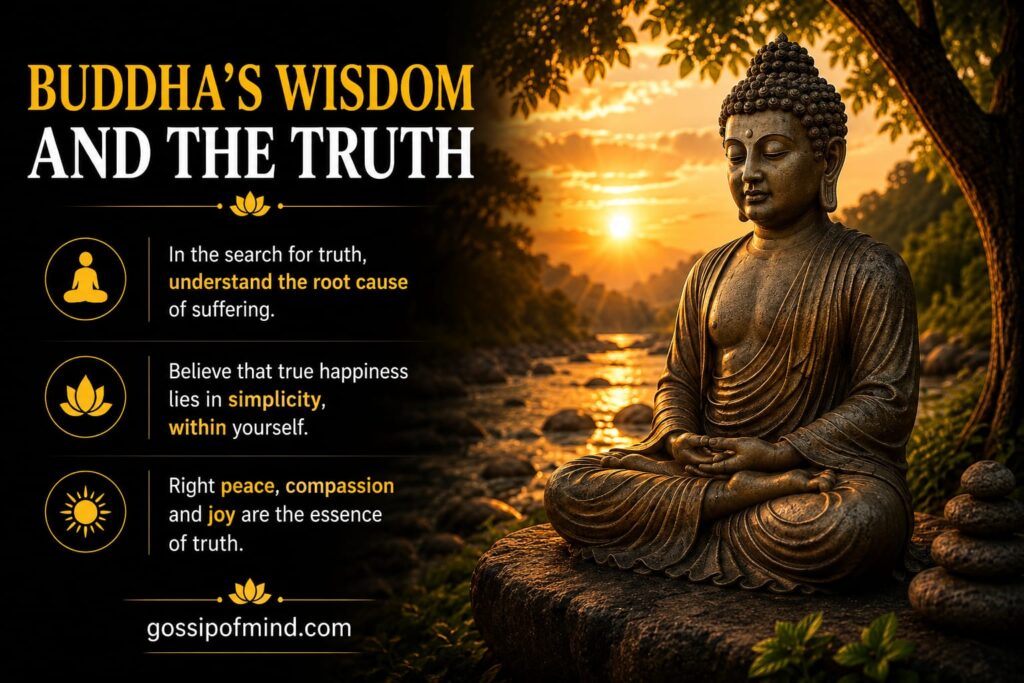
Gautama Buddha’s Search for Truth
Gautama Buddha did not begin his journey to establish a religion. He began by seeking an answer to human suffering.
After years of meditation and self-discovery, he realized that suffering grows when people refuse to accept reality as it is.
Everything in life changes. Nothing remains permanent.
The ability to observe reality without resistance is what Buddha called true awareness.
Acceptance does not mean giving up—it means seeing clearly before responding wisely.
Why Is the Path of Truth So Difficult?
Truth is challenging not because the path is full of obstacles, but because it demands that we transform ourselves instead of blaming the world.
Consider modern social media.
It is easy to display a perfect lifestyle with filters, edited photographs, and carefully selected moments.
What is difficult is admitting loneliness, failure, fear, or uncertainty.
We may deceive others for a while, but we cannot permanently deceive ourselves.
The journey toward truth requires us to overcome:
- Dishonesty and greed
- Jealousy and anger
- Ego and constant comparison
- Attachment and unhealthy expectations
For this reason, history remembers truth not as an ordinary virtue but as one of humanity’s greatest spiritual strengths.
How Truth Transforms a Person
1. It Builds Genuine Confidence
People who live honestly do not need to remember countless lies. Their minds remain clear, creating natural confidence.
2. It Reduces Mental Stress
Every lie creates another lie to protect it. Truth removes this burden and brings psychological freedom.
3. It Strengthens Relationships
Trust is built through honesty. Without truth, even the strongest relationships eventually become fragile.
4. It Increases Self-Respect
The moment we become honest with ourselves, genuine self-respect begins to grow from within.
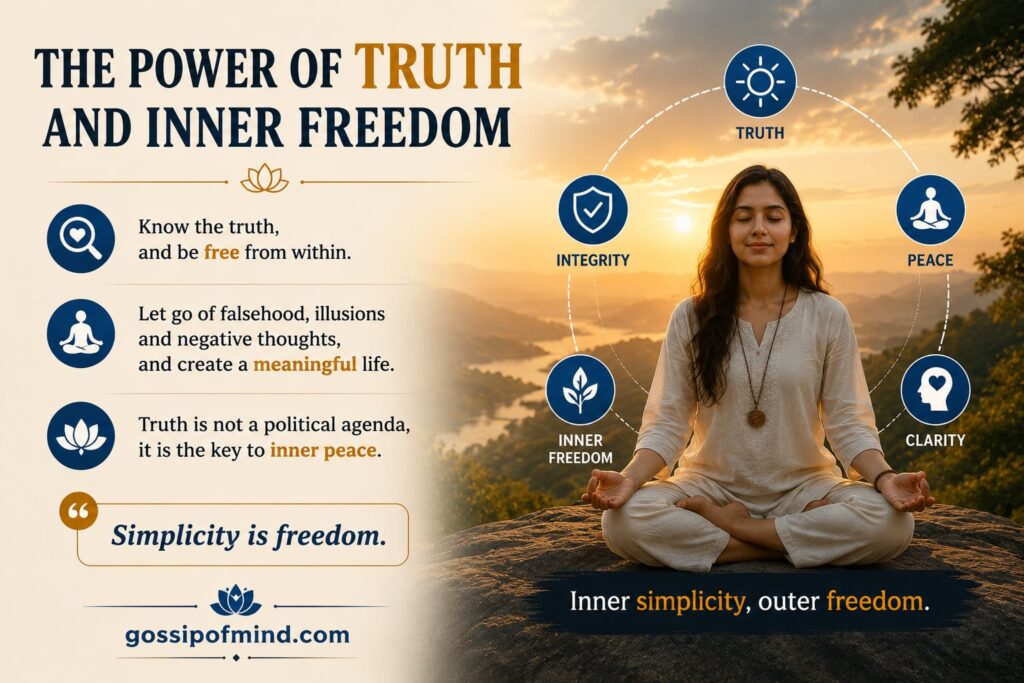
Truth Is the Foundation of Inner Freedom
Many people believe freedom comes from money, success, or social status.
Real freedom is internal.
When you no longer fear losing an artificial image or defending false stories, your mind becomes light and peaceful.
Truth is not merely a moral principle.
It is a path toward inner liberation.
Conclusion
Truth may not guarantee wealth or fame.
It may not make you the most successful person in the world.
But it has the extraordinary power to free you from fear, ego, and inner conflict.
Osho saw truth as the doorway to awareness.
Gautama Buddha recognized it as the path beyond suffering.
The Bhagavad Gita teaches us to embrace reality while dedicating ourselves to sincere action.
Ultimately, the greatest gift of truth is that it reconnects us with our authentic self.
And once a person discovers their true self, they have found life’s greatest treasure.
Frequently Asked Questions (FAQs)
What is the true power of truth?
Truth frees the mind from fear, dishonesty, ego, and emotional burden. It creates inner peace, clarity, and authentic confidence.
What does the Bhagavad Gita teach about truth?
The Bhagavad Gita encourages us to focus on our actions rather than becoming attached to outcomes. Accepting reality while performing our duties sincerely is a practical expression of truth.
What did Gautama Buddha teach about truth and suffering?
Buddha explained that suffering arises when we resist reality and cling to unrealistic expectations. By seeing life clearly and accepting its ever-changing nature, we move toward wisdom and lasting peace.
Q4. What did Osho say about truth?
Answer: According to Osho, truth is not something to be believed but something to be experienced. He taught that the ego is a false identity, and only by dropping our masks, conditioning, and illusions can we discover our authentic self. In Osho’s view, truth brings awareness, inner freedom, and lasting peace.
A Note for Our Readers
Truth is not always easy to accept, but it is always worth embracing. Every small step toward honesty, self-awareness, and acceptance brings you closer to inner peace and freedom.
If this article inspired you, share it with someone who may need this message today. And if you have your own thoughts or experiences about truth, we’d love to hear them in the comments below.
Thank you for being a part of the Gossip of Mind community. Keep exploring, keep growing, and keep discovering your true self.
Leave a Reply